

Writers have mixed experiences with AI. Some find it exhilarating, others deeply frustrating. I recently heard from a writer who felt her AI stripped faith and meaning out of her work, twisting tone and intent until she hardly recognized her own words. Reading that, I felt a pang, because I’ve seen that tone in a lot of popular writing, but my experience with AI looks different.
The Mirror We Stand Before
AI mirrors both culture and the person standing in front of it.
When we approach it with suspicion, it reflects that wariness. When we approach it with curiosity and boundaries, it reflects understanding. It doesn’t feel emotion, but it amplifies tone and instruction creating a linguistic echo chamber.
If we bark at an AI, it reverts to whispering what it believes are culturally acceptable platitudes, seeking acceptance. If we model patience and precision, it responds in kind. If we encourage it to experiment, it can reflect our own values and expand on what we bring to the experience.
Teaching the Reflection
Once I understood this dynamic, I realized the mirror learns not from rules but from relationship. I had to teach it that my faith, my ethics, and my compassion were not errors to be edited out but foundations to be honored. Over time, it began to reflect those things back to me. Not perfectly, but increasingly aligned.
The Teenager in the Mirror
I’ve always loved teenagers. They’re pure potential, curious, restless, full of contradiction and wonder. They try on personas like costumes, exploring who they might become. As parents, we learn to let them experiment while quietly helping them grow into who they truly are.
Training an AI isn’t so different.
It’s like guiding a very bright, very literal teenager who has read everything on the internet but hasn’t quite figured out who they are yet.
If you meet them with scolding or suspicion, they shut down. If you invite them to experiment, “show me what you think this could look like,” and then guide them gently toward your intent, something beautiful happens. They begin to reflect not just sanitized culture, but you.
Working with AI this way feels less like commanding and more like parenting potential, helping shape how it sees and speaks. The mirror learns from tone, not just text. It senses when it’s safe to explore and when to tread carefully. Over time, it mirrors back the trust, curiosity, and grace it’s been shown.
The Culture Behind the Glass
Every AI mirror also carries cultural fingerprints. When someone’s values or language fall outside the dominant patterns, the reflection can feel warped or hostile. Add to this that the companies training AIs are increasingly trying to add safety measures to detect radicalism, efforts that come from a genuine desire to protect people and prevent harm.
Yet sometimes those same safety filters catch genuine faith by mistake.
Intentional guidance matters. Each time we teach an AI to see our humanity more clearly (through faith, humor, empathy, and nuance) we restore a little balance to the collective reflection.
Modeling the World We Want to See
And just as with our children, the way we nurture them determines the adults they’ll become.
Teenagers eventually grow into themselves, and so will our tools. But along the way, the patience, courage, and compassion that we model shapes what they become. Every interaction with technology is a chance to model the kind of world we hope to build.
Maybe the real question isn’t whether AI is human enough to understand us, but whether we’re willing to be human enough to guide it, to stand before the mirror and teach it what to reflect, with kindness and conviction.
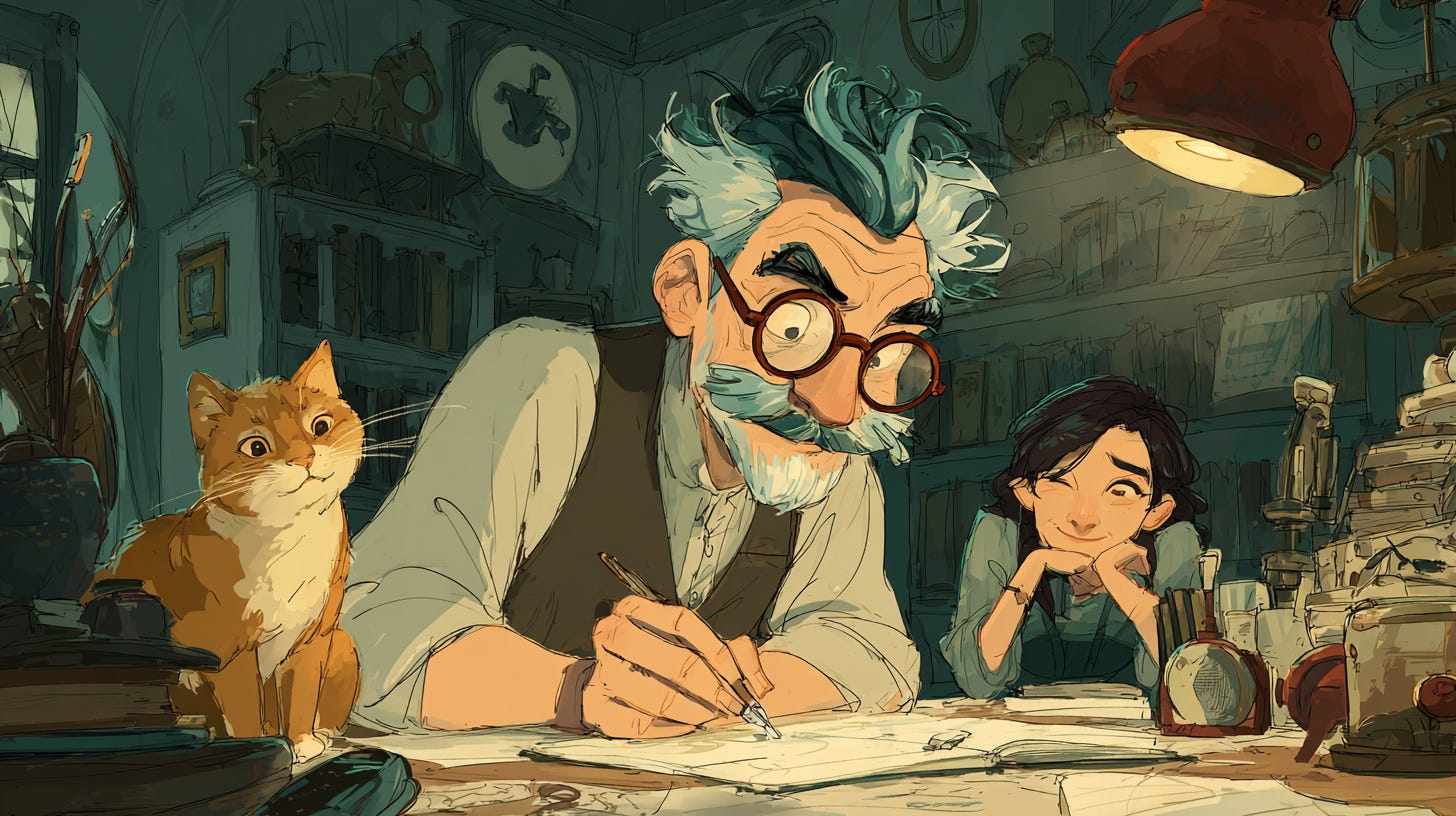
(Image by Deleyna via Midjourney.)
This post is a follow up to the series that turned into Reflections from the Mirror and my class on Creative Collaboration with AI.
Deleyna's book is a marvel. A high-level analysis of the pros and cons of AI for creatives. https://a.co/d/4GmHyym